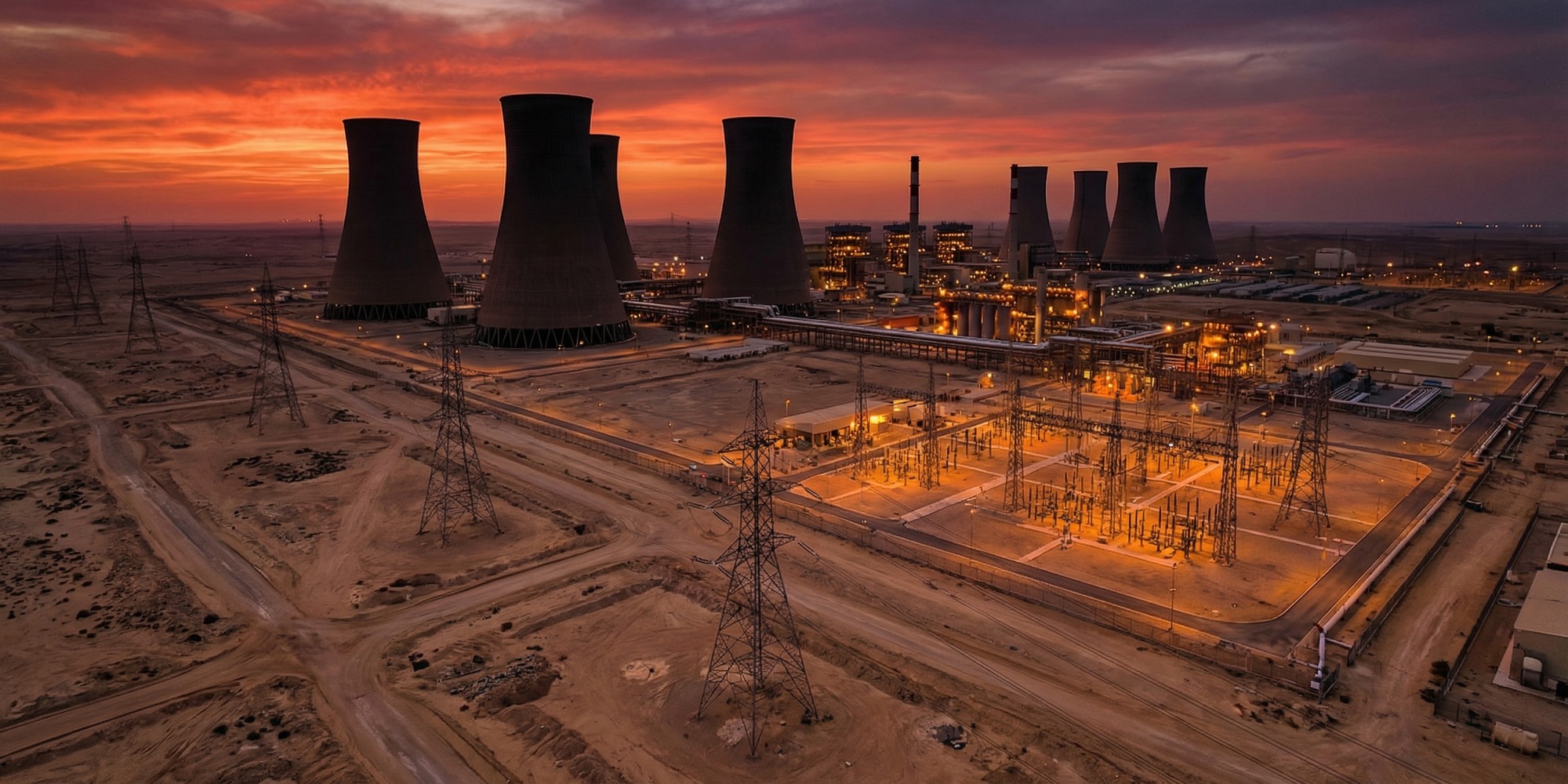
On the evening of Saturday, March 21, President Donald Trump posted a blunt ultimatum on his social media network from his Florida estate: Iran had 48 hours to fully reopen the Strait of Hormuz to commercial shipping, or the United States would strike and destroy the country's electrical generation infrastructure. "I will hit and obliterate various POWER PLANTS, STARTING WITH THE BIGGEST ONE FIRST!" Trump wrote, according to the Associated Press, making explicit what had until then been privately discussed — a potential campaign against civilian energy infrastructure as leverage in a war now in its fourth week.
The statement arrived less than 24 hours after Trump had told supporters the U.S. was "getting very close to meeting our objectives" and might wind down its military operations. AP News documented the breadth of the administration's contradictions that week: Trump suggesting withdrawal while the Pentagon confirmed it was deploying three more warships and 2,500 additional Marines and requesting a $200 billion supplemental from Congress. That reversal — from apparent de-escalation to infrastructure ultimatum within a single news cycle — crystallized the central concern among allied governments: that there is no coherent diplomatic endgame guiding American strategy, and that Washington's next move is genuinely unpredictable. For partners who have spent weeks calibrating their own exposure to this conflict, unpredictability is itself a destabilizing force.
Key Takeaways
- Trump issued a 48-hour ultimatum on March 21 threatening to "obliterate" Iranian power plants if the Strait of Hormuz is not fully reopened — a direct threat against civilian energy infrastructure.
- Russia's Foreign Ministry warned that strikes on nuclear and critical infrastructure pose a "real risk of catastrophic disaster throughout the Middle East."
- Saudi Arabia expelled Iran's military attaché and four embassy staff following Iranian strikes on the Red Sea port of Yanbu, deepening the Gulf states' formal break with Tehran.
- Iran offered a selective Hormuz carve-out allowing Japanese ships to transit, signaling a diplomatic strategy aimed at fracturing allied unity rather than confronting the US-Israel coalition head-on.
- With the Geneva back-channel collapsed and no active negotiations, the 48-hour ultimatum leaves little diplomatic runway before the next potential escalation.
Twenty-Four Hours, Two Contradictory Messages
The scale of the strategic whiplash was remarkable even by the standards of the current conflict. On Friday afternoon, Trump framed the war in terms of completed objectives — degraded Iranian naval and missile capacity, a blocked nuclear program — and suggested the U.S. might withdraw without resolving the Hormuz crisis, leaving "other Nations who use it" to police the strait. Oil markets responded to the prospect of a prolonged blockade without American resolution: the S&P 500 fell 1.5% on Friday, with energy prices spiking after Iranian strikes on a major Qatari liquefied natural gas terminal compounded a week of supply shocks. The specific market impact of Trump's power plant threat on defense and energy stocks reflects how closely financial markets are now tracking the war's diplomatic signals as much as its military developments.
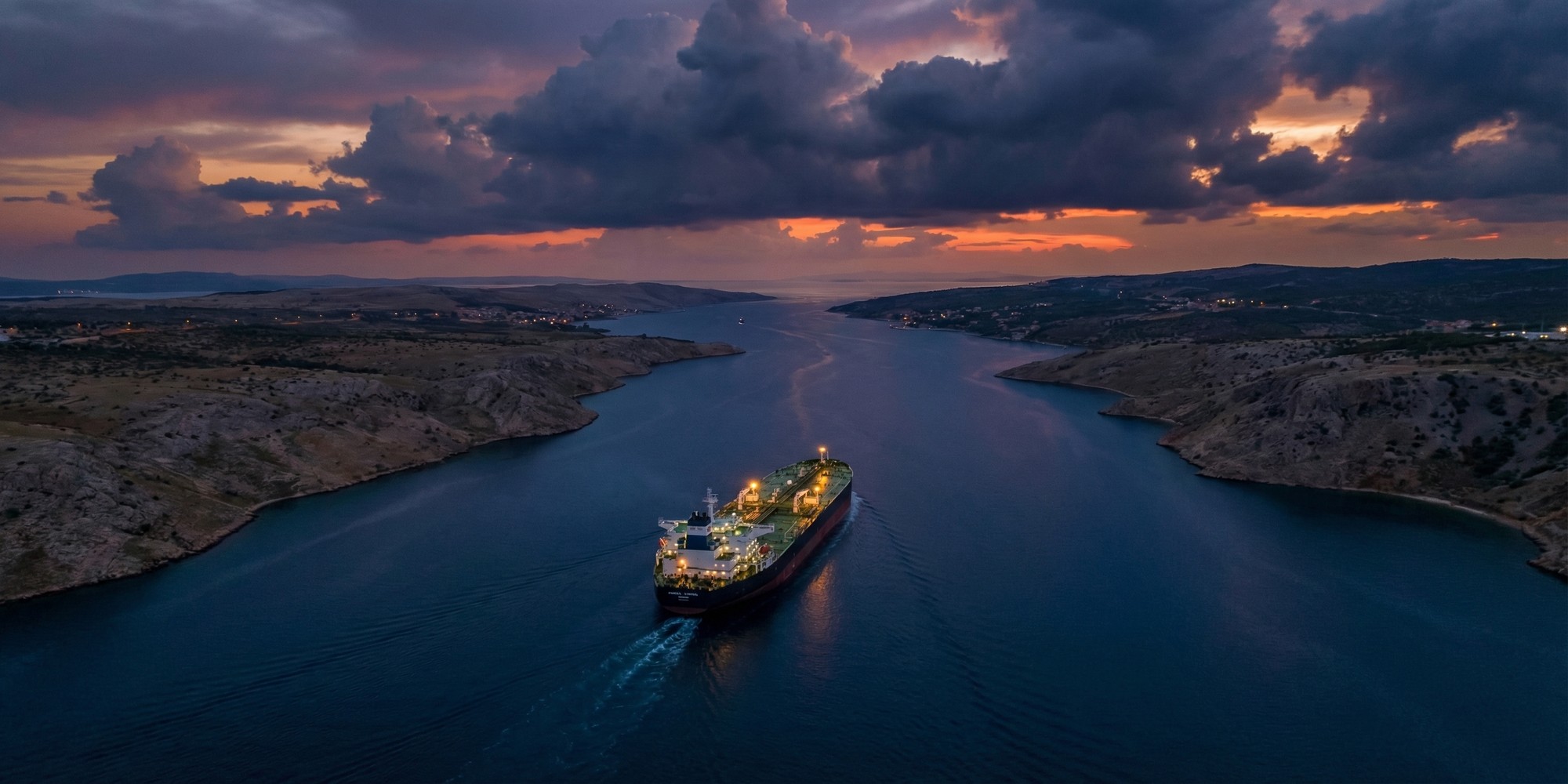
By Saturday evening, Trump reversed course entirely. The trigger was the economic pressure of persistent Hormuz disruption — the blockade has effectively halted nearly all tanker traffic through a waterway that carries roughly one-fifth of global oil supply. His Saturday post named the Strait of Hormuz explicitly as the condition, transforming a general military campaign into a specific coercive ultimatum with a ticking clock.
"I will hit and obliterate various POWER PLANTS, STARTING WITH THE BIGGEST ONE FIRST!"
— President Donald Trump, social media post, March 21, 2026
The strategic logic is not difficult to read: power plants represent the kind of leverage that inflicts national pain without directly targeting military installations. But the diplomatic and legal implications of threatening civilian infrastructure are substantial — and the international response to those implications has been swift and largely negative.
Moscow's Warning and the Nuclear Catastrophe Threshold
Russia's response arrived in the context of a parallel escalation. Earlier on Saturday, Iran's Natanz nuclear enrichment facility — already struck in the war's opening days — was hit again in a strike that Israel denied responsibility for. The Iranian judiciary's official news agency said there was no radiation leak, and the UN's International Atomic Energy Agency said it was investigating. But the combination of renewed strikes on nuclear infrastructure and Trump's power plant ultimatum prompted a pointed statement from Russian Foreign Ministry spokesperson Maria Zakharova: such strikes, she said, posed a "real risk of catastrophic disaster throughout the Middle East."
Moscow's position throughout the conflict has been one of stated alarm combined with limited operational interference. Russia has not provided Iran with direct military support in the current war — a calculated restraint that preserves diplomatic leverage — but it has complicated U.S. diplomatic strategy at every multilateral forum, including the UN Security Council. Zakharova's invocation of "catastrophic disaster" is significant: it is the language of environmental and humanitarian catastrophe, implicitly raising the specter of a Chernobyl-scale event, and represents an escalation in Russian rhetorical pressure even as Moscow stops short of military intervention. For a diplomatic network already strained by months of Iran-war fallout, Russia's framing adds a layer of international legal exposure to any American decision to proceed.
Gulf Fractures: Saudi Arabia's Expulsion and Iran's Selective Exemptions
Among Gulf states, the days leading up to Trump's ultimatum produced their own sharp escalations. Saudi Arabia on Saturday expelled Iran's military attaché and four embassy staff — a formal diplomatic rupture that followed Iranian strikes on the Red Sea port of Yanbu, the kingdom's main oil export terminal. The expulsion is the most overt signal yet that Riyadh has crossed from cautious alignment with the U.S.-Israel campaign toward active participation in the political isolation of Tehran. For the Gulf Cooperation Council states that once feared American overreach more than Iranian retaliation, the Yanbu attack appears to have been a decisive turning point.
Iran's response to the escalating coalition pressure has included a notable diplomatic gambit: offering selective exemptions from its Hormuz blockade. On Saturday, Tehran confirmed it would allow Japanese-flagged ships to transit the strait — a move that tracks Japan's 90% dependency on Middle Eastern crude and its government's visible discomfort with President Trump's comparisons of the Iran war to the American response after Pearl Harbor. Japan sources a disproportionate share of its crude through Hormuz, and the Iranian exemption is a calculated effort to deepen the fissures within a coalition already struggling with the gap between diplomatic solidarity and operational commitment, as documented in FD's earlier analysis of the Hormuz coalition's internal fractures.
The selective carve-out strategy has precedents in Iranian diplomatic history. By offering inducements to economically exposed nations — Japan, South Korea, India — Tehran is attempting to replicate the pattern that kept multilateral sanctions from achieving full enforcement during earlier rounds of nuclear negotiations. Whether the tactic succeeds depends on how far Washington is willing to press its allies to close the gap between their stated solidarity and their shipping interests.
No Diplomatic Runway: The Back-Channel Vacuum
The 48-hour ultimatum landed in a diplomatic environment that has been systematically stripped of available off-ramps. The Geneva back-channel — the most substantive indirect negotiating track between Washington and Tehran — collapsed on March 18, ending the only forum in which Iranian interlocutors had been engaged on conditions for a ceasefire. UN Security Council Resolution 2817, passed on March 16 condemning Iran's attacks on Gulf shipping, has not produced any change in Iranian behavior. And the seven-nation Hormuz escort coalition — whose joint statement on March 19 promised "preparatory planning" — remains operationally inert, with France, Germany, and Japan having each ruled out naval deployments to the strait.
The diplomatic vacuum is the central feature of the current moment. Congressional pressure on the White House over war powers and exit strategy is intensifying, with Senate leadership pressing for defined objectives and a timeline. But Trump's Saturday ultimatum suggests the administration is moving in the opposite direction — toward sharper coercive demands rather than the conditional guarantees that would be necessary to restart any negotiating track. An infrastructure ultimatum requires either compliance or follow-through; neither outcome opens a diplomatic door. The global economic consequences of that choice — including the energy market turbulence already analyzed in depth by our partners at Global Market Updates — make the decision one that cannot be taken in isolation from the cascading effects on allied economies.
What the Ultimatum's Deadline Means Diplomatically
The 48-hour window — which expires sometime Monday, March 23 — does not appear to have produced an immediate Iranian response. Tehran's Parliament Speaker Mohammad Bagher Ghalibaf, commenting on the day's separate escalations, showed no indication of accommodating the ultimatum's terms. Iran's position throughout the conflict has been to link any Hormuz concession to a cessation of U.S. and Israeli military operations — a condition Washington has consistently refused. That mutual incompatibility of conditions, which caused the Geneva back-channel to collapse four days ago, has not changed. What has changed is the explicit threat to civilian infrastructure, which raises the diplomatic cost of any American strike regardless of military rationale.
For European governments, the Gulf Arab states recalibrating their exposure, and multilateral institutions already stretched thin by a war they could not prevent, Trump's power plant ultimatum is less a military announcement than a diplomatic signal — one that suggests the fourth week of this conflict will be more consequential than the three that preceded it.
The 48-hour power-plant ultimatum landed in a war already stripped of off-ramps — the same Iran campaign recorded on the Armed Conflicts Map's Iran–US war page.