Trade & Sanctions
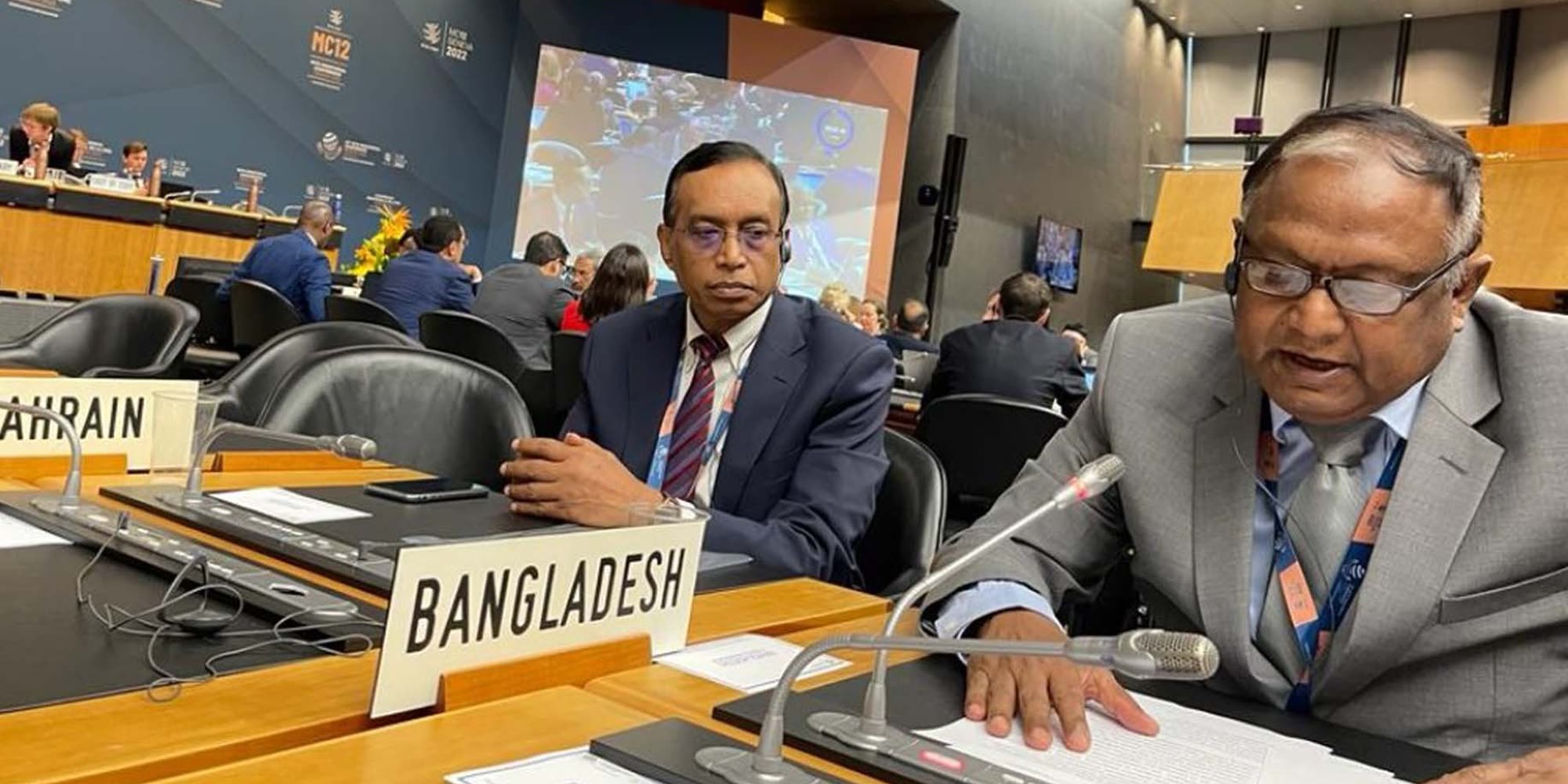
Six years after the last Appellate Body term expired, the MPIA is a 61-member bridge. WTO dispute settlement is now club-based, not restored.
Analysis of international trade agreements, economic sanctions regimes, tariff disputes, and their geopolitical leverage.
Six years after the last Appellate Body term expired, the MPIA is a 61-member bridge. WTO dispute settlement is now club-based, not restored.
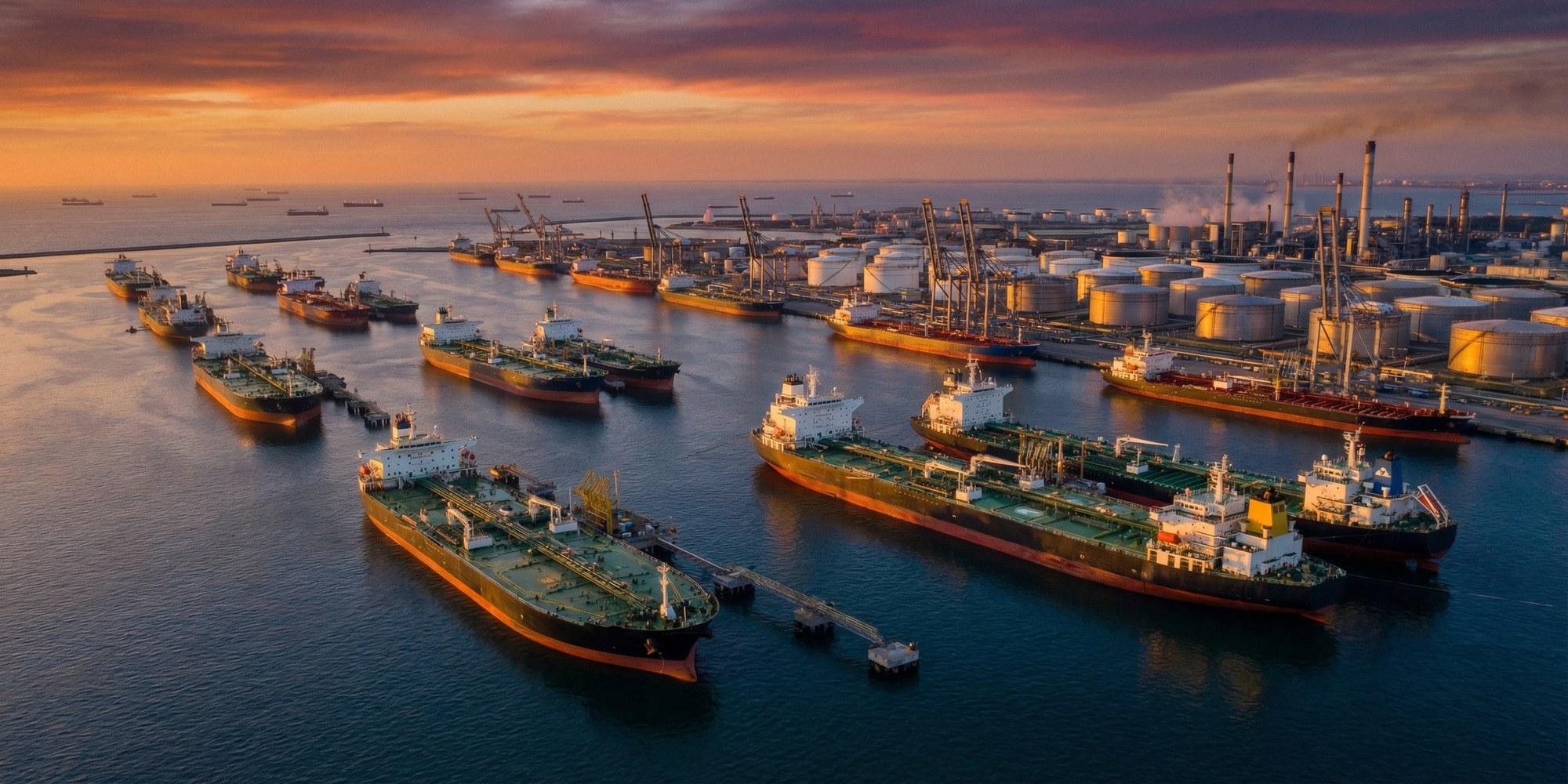
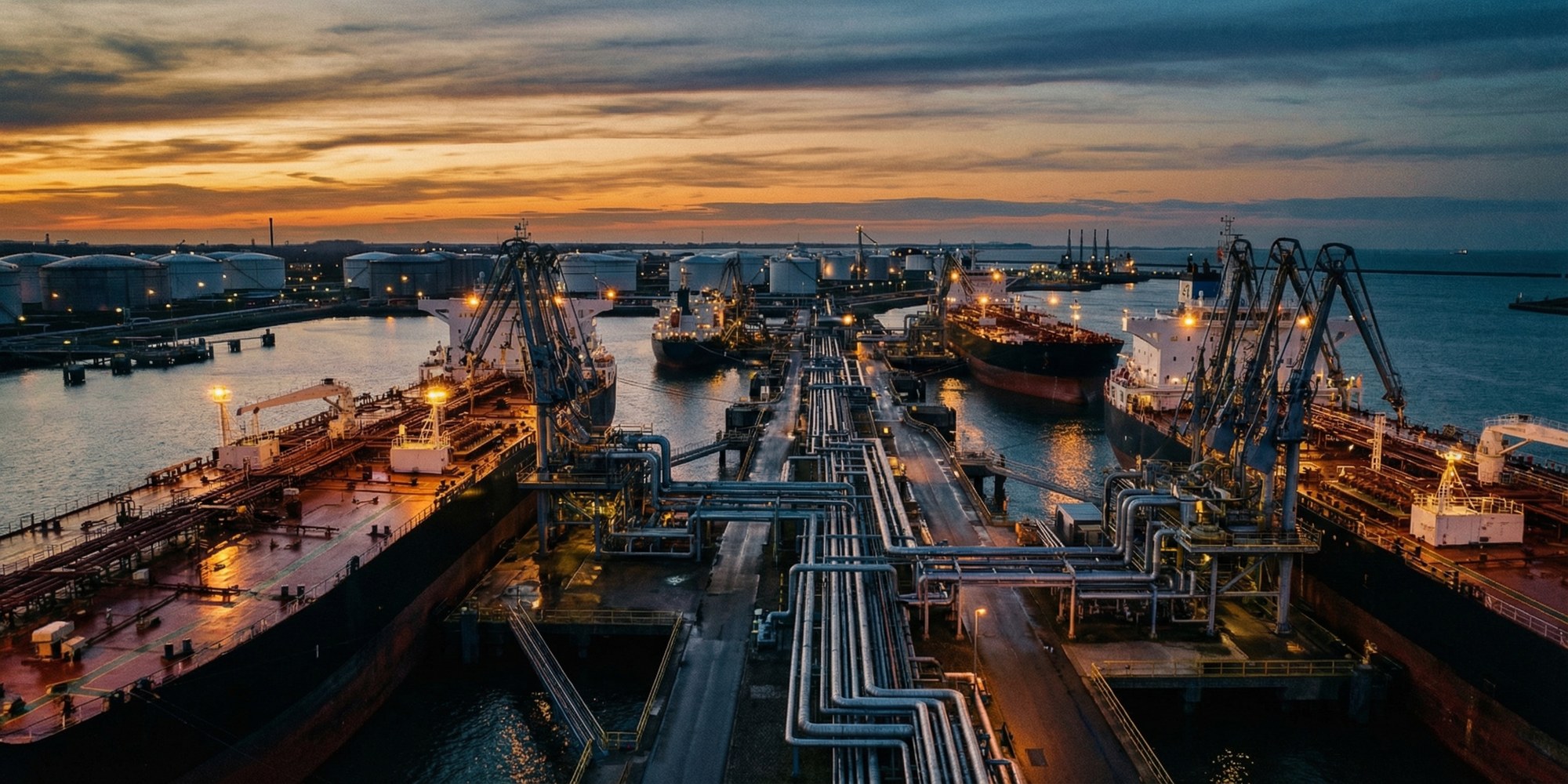
New U.S. sanctions, tanker insurance shocks, and legal limits on transit passage show how the Hormuz crisis is rewriting oil enforcement and shipping risk.
Trump floats seizing Iran's Kharg Island — hub of 90% of its oil exports — as Brent crude hits $116. We examine the military limits, the Venezuela analogy, and whether the threat is coercive leverage or a genuine launch order.
Tehran has moved beyond threatening to close the Strait of Hormuz. It is now selectively opening it — picking winners and losers among trading nations and drafting legislation to formalize transit fees.
A unilateral US decision to ease Russia oil sanctions — opposed by six of seven G7 partners — has exposed the deepest fracture in the transatlantic alliance since the 2003 Iraq War.
A temporary OFAC carve-out for Indian refiners and new pressure on Beijing to cut Iranian crude purchases reveal the selective — and increasingly strained — architecture of U.S. secondary sanctions during the Iran conflict.
Two U.S. government actions in February 2026 designated 26 tankers and dozens of entities in Iran's illicit petroleum network — the most intensive shadow fleet enforcement campaign in a single month.
Washington invokes IEEPA powers against a NATO ally after Madrid refuses U.S. military access to Spanish bases for operations against Iran, fracturing transatlantic solidarity.