For most of the past decade, Iran-related oil sanctions were judged by one variable: whether enough tankers, insurers, and trading houses would still touch a cargo after Washington acted. The Strait of Hormuz crisis has added a second variable that is no longer secondary — whether ships can move at all, and at what risk premium. That shift is visible in how governments and markets are now talking about enforcement. US sanctions policy is still expanding, but the commercial mechanism that gives those sanctions force has become tightly linked to battlefield-level maritime security.
On 18 December 2025, the US Treasury's Office of Foreign Assets Control announced new designations on 29 vessels and related managers involved in what it called Iran's sanctions-evasion "shadow fleet" (US Treasury). In February 2026, the State Department added another package that identified 14 vessels and sanctioned additional traders and facilitators under Executive Order 13846 (US State Department). These actions are legally conventional in US maximum-pressure policy. What is unconventional is the operating environment into which they are landing.
Key Takeaways
- Washington has kept expanding shadow-fleet designations, including a 29-vessel OFAC package and a separate State Department action covering 14 vessels.
- Reuters reporting shows war-risk insurance for Gulf transit surged from around 0.25% to as high as 3% in some cases, changing sanctions economics.
- UNCLOS transit-passage rules limit how far any coastal state can lawfully obstruct navigation through international straits.
- Sanctions effectiveness now depends on legal pressure, naval protection, and commercial insurance capacity working at the same time.
Enforcement Is Moving from Paper to Maritime Capacity
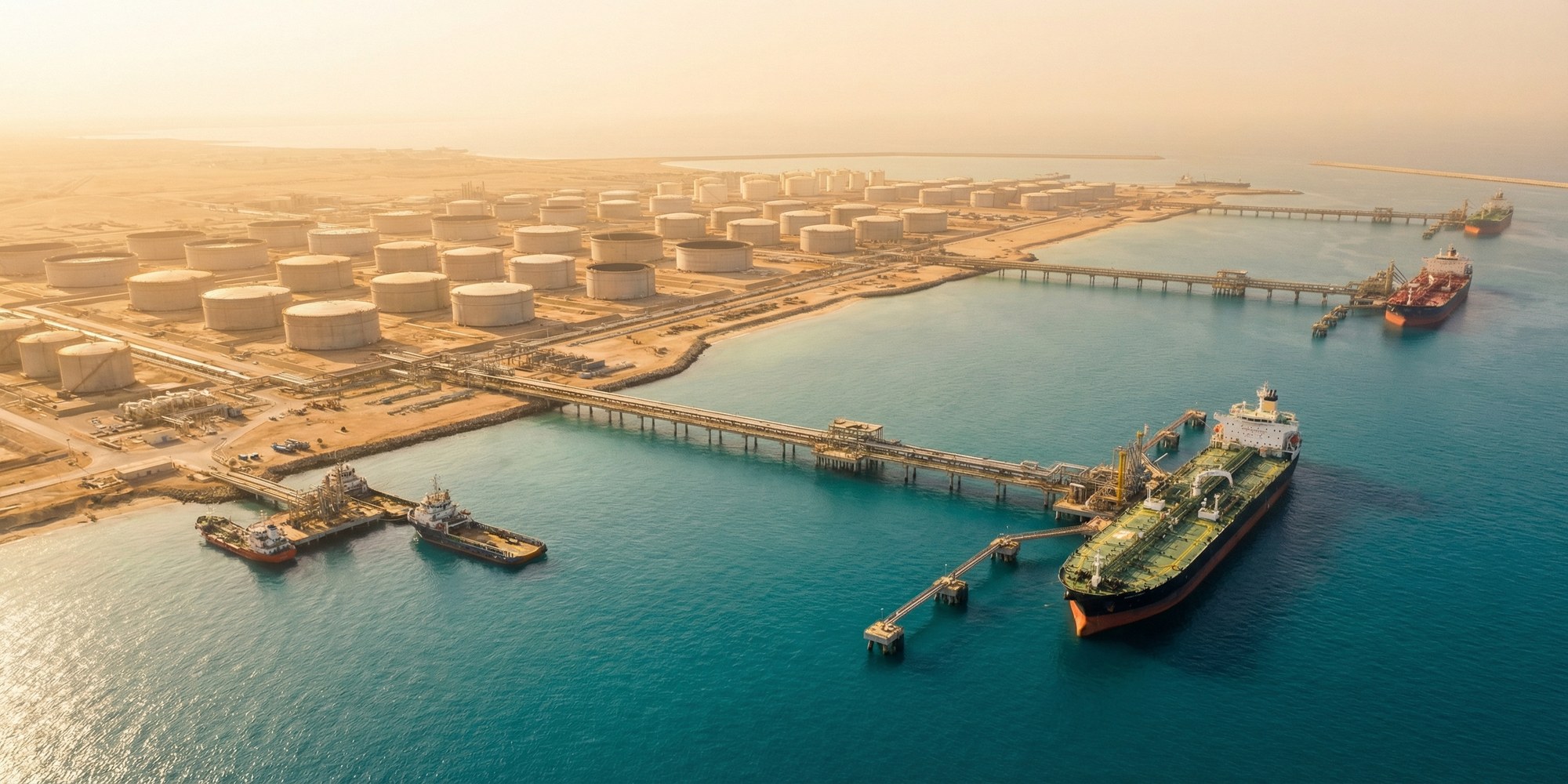
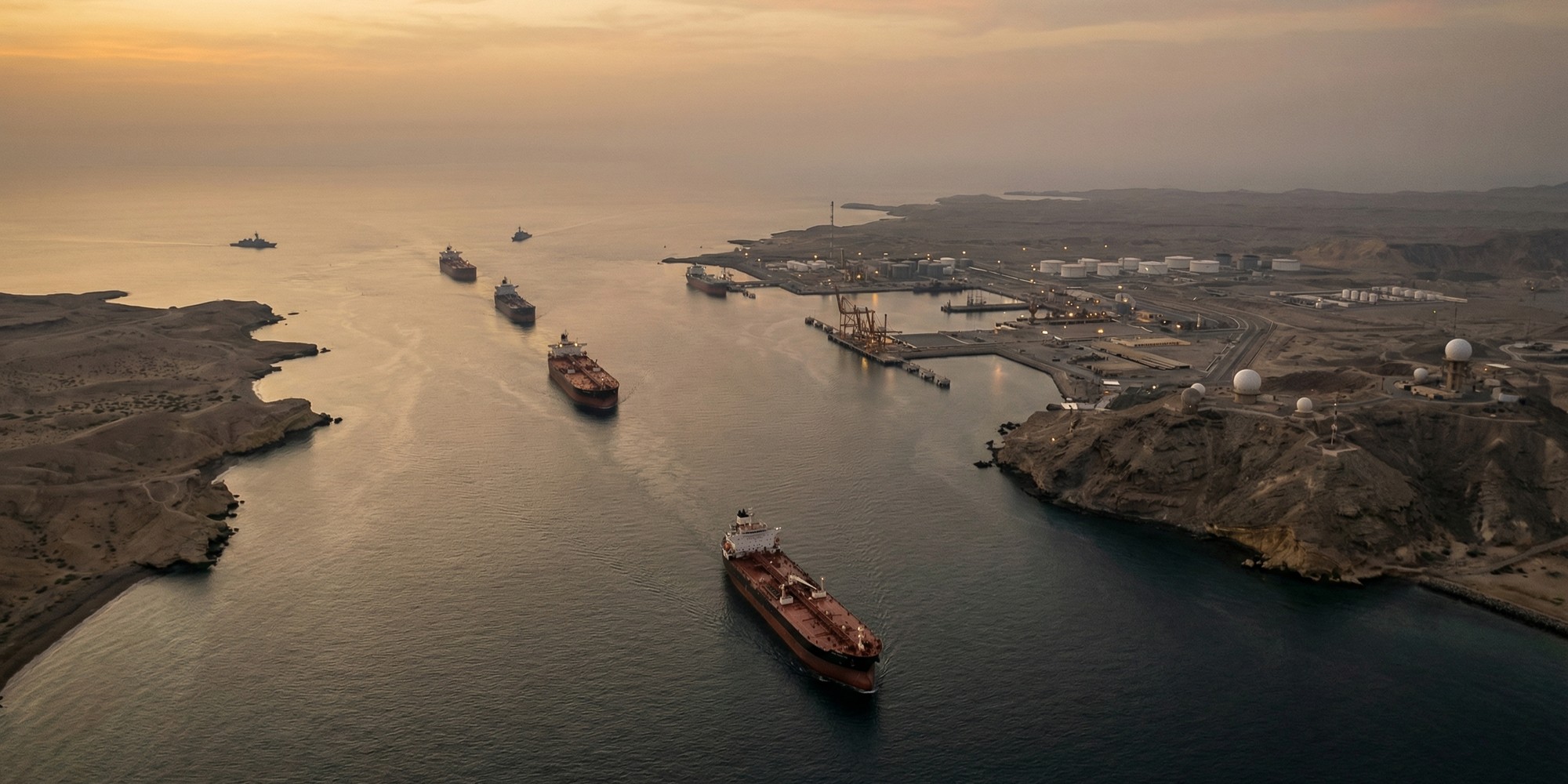
Sanctions enforcement is often framed as a compliance puzzle: identify vessels, blacklist shell companies, pressure refiners, and shrink Iran's discount channels. The current Gulf environment has reframed that puzzle as a logistics one. Reuters reported on 6 March that war-risk insurance premiums for ships transiting the area had surged dramatically, with some quotes rising to around 3% from roughly 0.25% before the conflict (Reuters). For large tankers, that pushes single-transit costs into the millions of dollars.
"Treasury will continue to deprive the regime of the petroleum revenue it uses to fund its military and weapons programs."
— John K. Hurley, US Treasury Under Secretary for Terrorism and Financial Intelligence, Dec. 18, 2025
That quote captures Washington's strategic intent, but market pricing now determines how quickly intent translates into impact. Higher war-risk premiums affect sanctioned and non-sanctioned cargoes alike. This creates an uneven result: formal sanctions may still target specific entities, yet crisis pricing broadens the penalty across the whole corridor. In practical terms, the line between "sanctions pressure" and "conflict risk surcharge" is blurring. The effect is visible in global energy repricing tracked by Global Market Updates and in repeated volatility on US indexes tied to energy-sensitive sectors, documented by US Market Updates.
Legal Architecture: What Transit Passage Permits
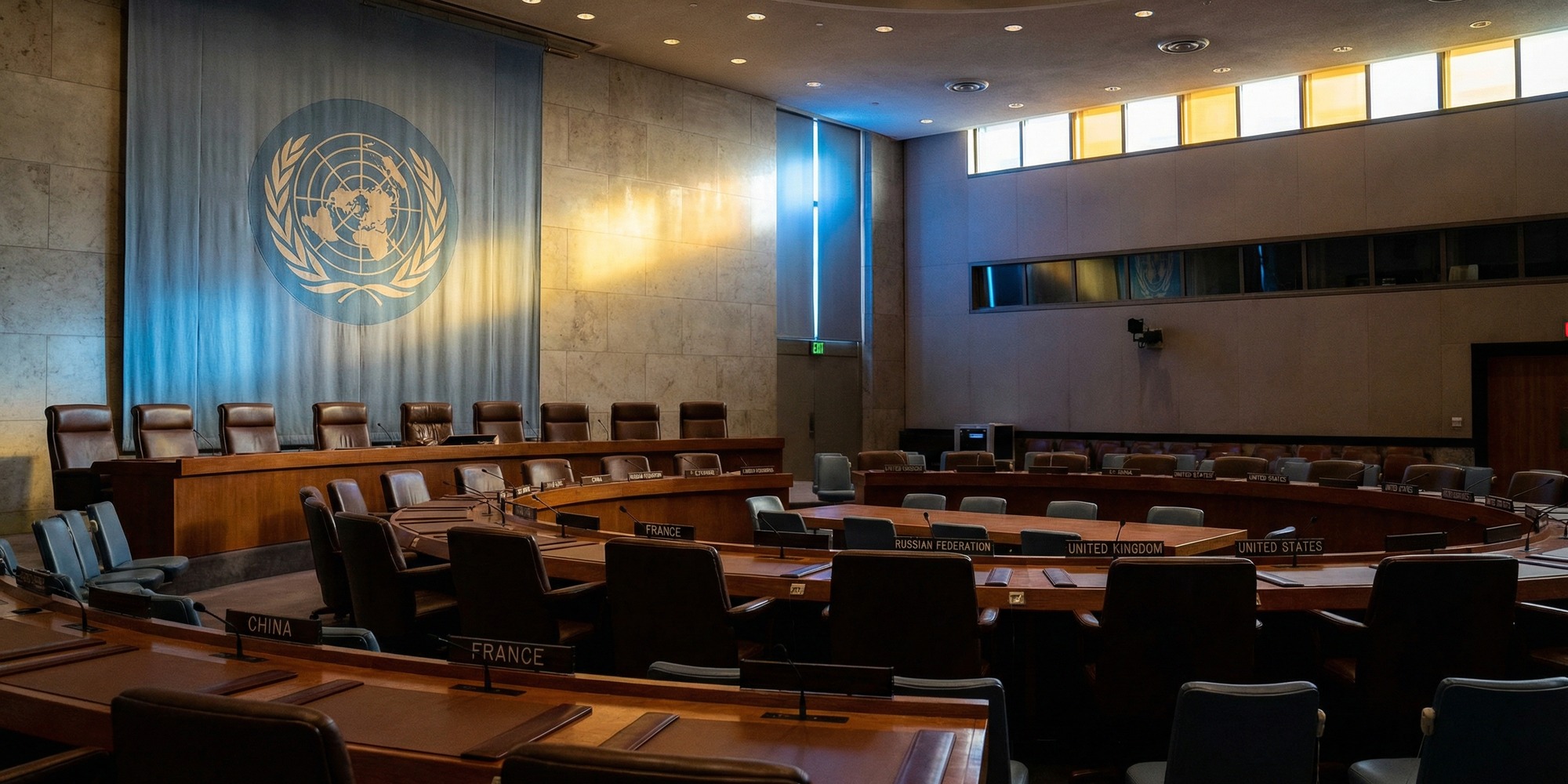
The crisis has also revived a legal argument often treated as background noise. Under Part III of the UN Convention on the Law of the Sea, straits used for international navigation are governed by a transit-passage regime in which ships and aircraft enjoy rights of continuous and expeditious passage (UNCLOS Part III). That does not erase the sovereignty claims of coastal states, but it does constrain the legal basis for sustained obstruction of international navigation.
In parallel, the International Maritime Organization has reiterated that attacks on commercial shipping are contrary to international maritime law and that safe global navigation is a prerequisite for supply-chain continuity (IMO statement). For sanctions policy, this matters because the legal case for enforcement coalitions becomes stronger when framed as protection of navigation rather than punishment of a specific state actor. The legal distinction influences alliance participation and insurance underwriting decisions.
The Policy Trade-Off Ahead
Washington now faces a three-layer policy trade-off. First, keep tightening entity-level sanctions to raise Iran's transaction costs. Second, stabilize maritime security sufficiently to prevent insurance market withdrawal. Third, avoid overreach that would split coalition partners over legal mandate and escalation risk. Recent US Foreign Policy reporting on UN vote strategy suggests these layers are already in tension: political appetite for pressure is high, but multilateral appetite for broad force authorization remains limited.
The result is a hybrid enforcement model that depends less on any single sanctions package than on how well legal instruments, naval posture, and private insurers align week by week. If insurance capacity tightens further, sanctions may become symbolically tougher but operationally noisier, producing wider market disruption without proportionate coercive gain. If convoy-style protection lowers risk pricing, however, targeted sanctions could recover precision and increase their fiscal effect on Tehran's export system.
In a chokepoint conflict, oil sanctions no longer function as a standalone financial tool — they operate as part of an integrated maritime regime. The governments that can coordinate law, force protection, and commercial confidence will shape not only Iran's revenue trajectory, but the future template for sanctions enforcement in other strategic waterways.
That hybrid — oil sanctions that now function as part of an integrated maritime regime — is the same strait-as-enforcement problem recorded on the Armed Conflicts Map's Strait of Hormuz crisis page.
The extra days and Cape workaround those insurance shocks produce are recorded on OilRoutes’ Cape of Good Hope reroutes note.