Early on the morning of March 28, air raid sirens sounded near Beer Sheba and the Dimona area in southern Israel. Within minutes, the Israel Defense Forces confirmed they had intercepted a barrage of ballistic missiles fired from Yemen. Houthi military spokesman Brigadier General Yahya Saree, speaking on Al-Masirah TV, took responsibility and claimed the strike targeted "sensitive military sites" in southern Israel — the movement's first direct attack on Israeli territory since the United States and Israel launched Operation Epic Fury against Iran on February 28.
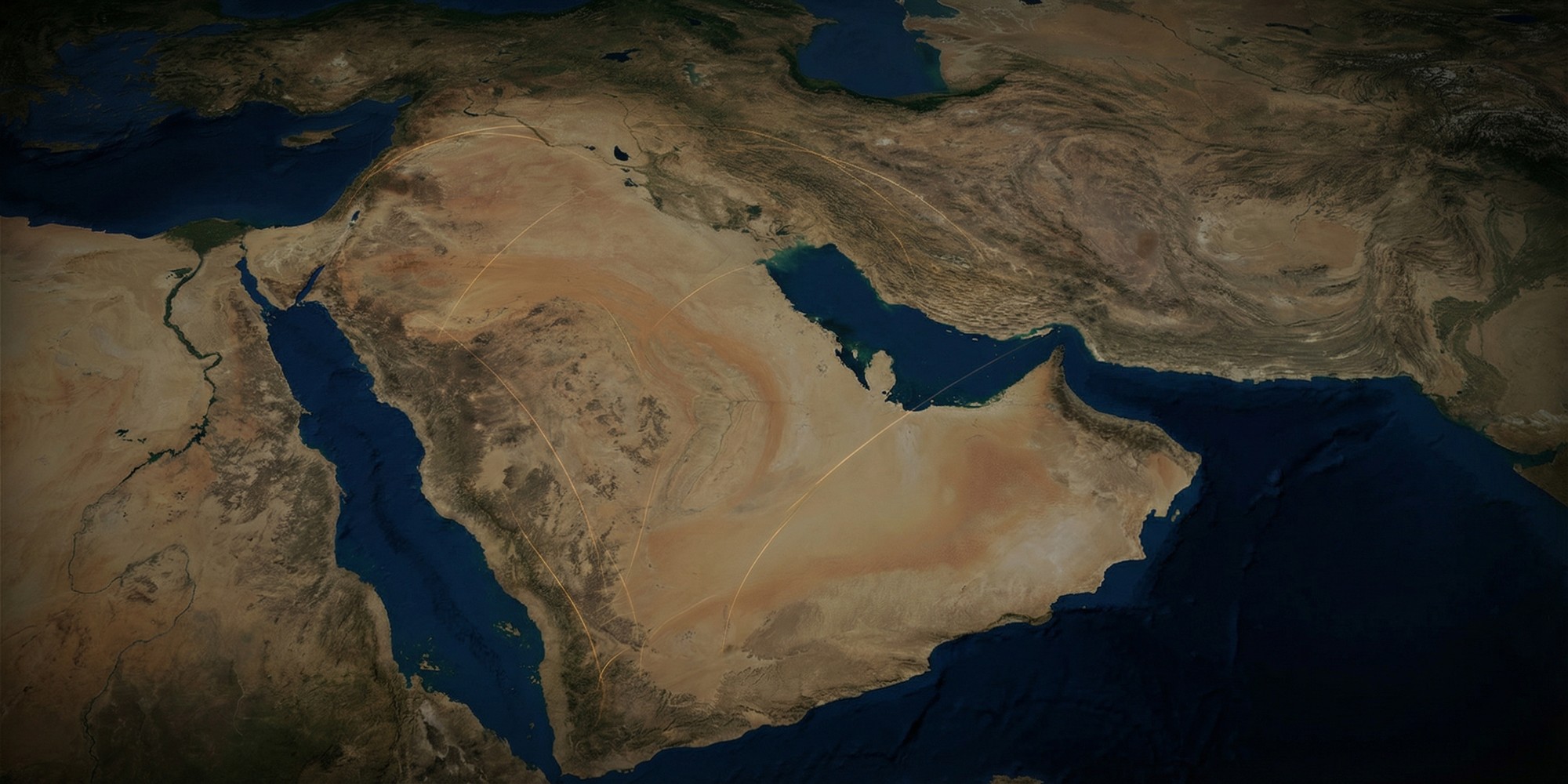
The Houthis had maintained an uneasy ceasefire with Saudi Arabia and stayed out of the month-long war. Their re-entry marks a significant geographic expansion of the conflict — and a demonstration of the strategic architecture Iran has spent four decades building. The day before, U.S. and Israeli aircraft hit Iran's nuclear facilities at Arak and Yazd. The response came not from Tehran's own forces, but from a mountainous corner of the Arabian Peninsula 1,800 kilometres away.
Key Takeaways
- The Houthis fired their first missiles at Israel since Operation Epic Fury began, intercepted near Beer Sheba and Dimona on March 28 — one month into the US-Israeli war with Iran.
- Iran's strategic doctrine relies on dispersed, deniable proxies — the Houthis in Yemen, Shiite militias in Iraq, Hezbollah in Lebanon — each capable of independent action under shared doctrine.
- Iran has made a partial humanitarian concession on Hormuz, agreeing to facilitate agricultural and aid shipments, while the April 6 deadline for full reopening looms with two prior delays already.
- Analysts at Eurasia Group warn the U.S. is preparing to escalate in mid-April, while the Soufan Center cautions that Washington cannot expect to gain in peace what it could not take in war.
The Axis Returns: Why the Houthis Held Back — and Why They Moved Now
The Houthis — formally Ansar Allah — have controlled Sana'a since their 2014 takeover and survived nearly a decade of Saudi-led air campaigns. Between 2023 and 2025, the movement attacked more than 100 merchant vessels transiting the Red Sea, sinking two and killing four sailors, forcing a near-collapse of Red Sea shipping lanes that normally carry approximately $1 trillion in goods per year. Then they pulled back: an uneasy truce with Riyadh held, and when Operation Epic Fury began, the Houthis stayed out.
Two developments appear to have changed the calculus. Israel's strikes on Iranian nuclear infrastructure on March 27 — including facilities at Arak and Yazd — triggered a ratchet in the broader Axis of Resistance network. IRGC Aerospace Force commander Seyed Majid Moosavi declared publicly that "this time, the equation will no longer be 'an eye for an eye,' just wait." More directly, the Houthi re-entry aligns with Tehran's well-documented playbook: when Iran itself sustains significant military damage, the signal goes out through informal channels, and the proxies activate.
As Mideast security analyst Shukriya Bradost wrote in AP analysis on March 28: "The Islamic Republic understands that it cannot defeat the United States militarily. Instead, its objective is both simpler and more strategic: survive the war long enough to claim victory."
"This measure reflects Iran's continued commitment to supporting humanitarian efforts and ensuring that essential aid reaches those in need without delay."
— Ali Bahreini, Iranian Ambassador to the UN, Geneva, March 27, 2026
Shoot and Scoot: Iran's Exported Doctrine
To understand the Houthi launch as strategy rather than reaction requires understanding the doctrine Iran has exported over four decades. The concept — sometimes called "forward defence" — constructs a network of armed non-state actors who share tactical training, weapons technology, and strategic objectives while operating independently enough that Tehran retains plausible deniability. The model was honed with Hezbollah in Lebanon, refined with Iraqi Shiite militias after 2003, and extended to Yemen beginning in the early 2010s.
The tactical signature is consistent: mobile launchers, dispersed storage, rapid deployment and withdrawal — "shoot and scoot" — against fixed military or economic targets. Iran's own geography reinforces the logic: a deeply mountainous country with an underground missile storage network that has proven difficult to locate and harder to destroy. The Trump administration claims approximately 90% of Iran's missile arsenal has been eliminated — a figure independent analysts cannot verify. The Houthi launch suggests the proxy network remains intact regardless.
Hezbollah in Lebanon has continued periodic rocket and drone activity, while Iraqi Shiite militias have resumed drone strikes on U.S. bases, wounding over 24 American troops in the past week. The diplomatic effort led by Secretary of State Rubio at the G7 to build a postwar Hormuz framework is now complicated by each of these fronts demanding simultaneous attention.
The Strait as Leverage, Not Blockade
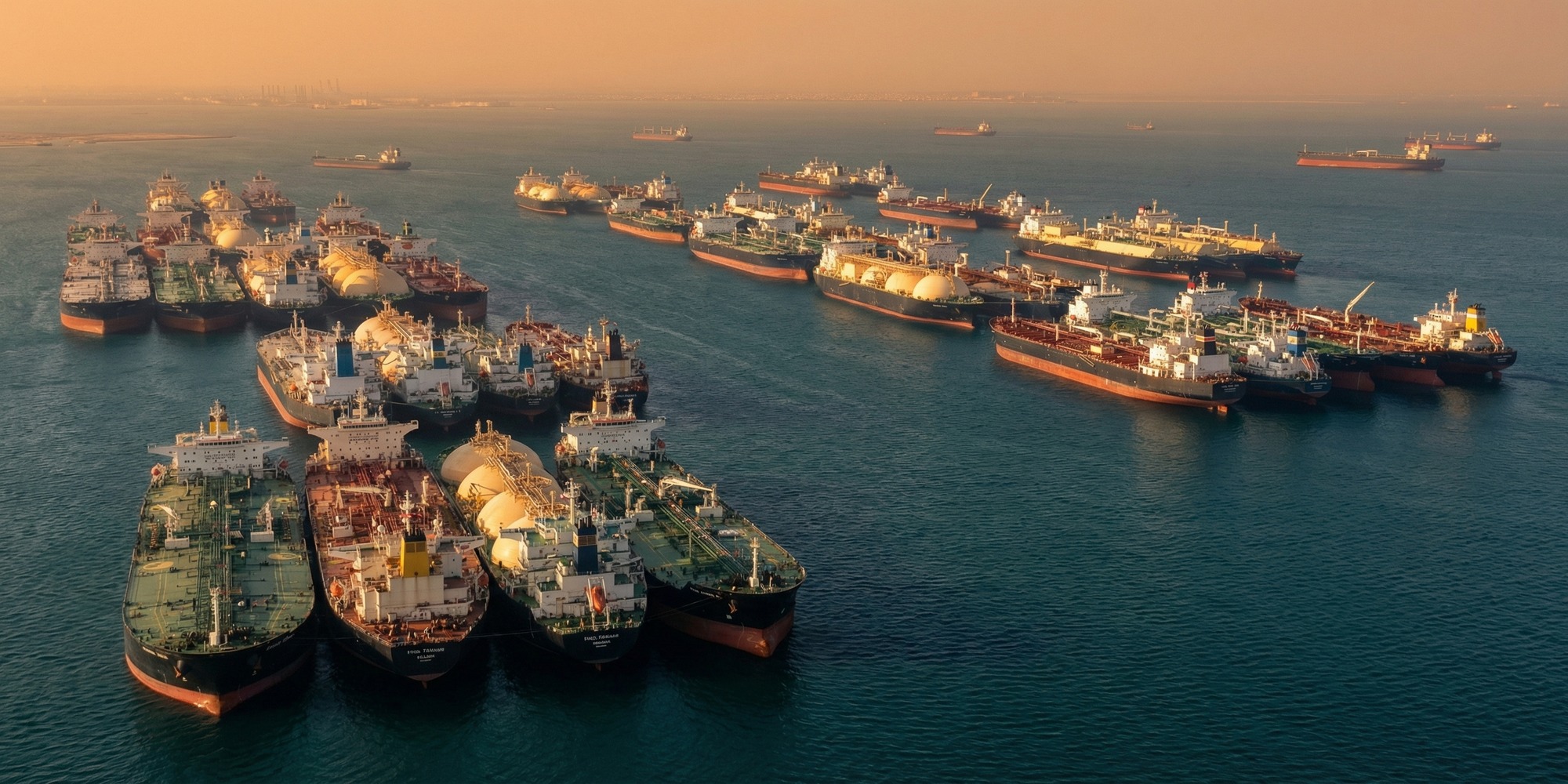
Iran's approach to the Strait of Hormuz has never been an outright blockade — it has been selective access as strategic leverage. On March 27, Iranian UN Ambassador Ali Bahreini announced in Geneva that Iran would "facilitate and expedite" agricultural and humanitarian shipments through the Strait — a partial concession to a UN request, framed carefully to maintain Iran's claim to sovereign authority over transit passage. The move drew immediate analysis as a pressure-release valve: meaningful enough to prevent a complete humanitarian catastrophe, but calibrated to preserve the fundamental threat that a full closure remains possible.
President Trump has set April 6 as a deadline for full Hormuz reopening — a deadline already extended twice. The economic consequences are severe: the CRU Group estimates the war is restricting approximately 30% of global urea trade, with cascading effects on import-dependent nations. The market ramifications have been pronounced, with U.S. equity markets under sustained pressure and gold surging past $4,489 an ounce.
The Houthi re-entry also complicates U.S. naval positioning: the USS Gerald R. Ford carrier strike group is in Crete for repairs, and any Red Sea deployment now faces restored threat conditions that previously forced global shippers to reroute around the Cape of Good Hope. Brent crude has remained above $100 per barrel as energy markets factor in the expanded theatre.
Analysis: The Architecture Iran Built Cannot Be Bombed Away
Eurasia Group's assessment, circulated on March 27, is direct: "Trump's preference remains 'escalate to de-escalate.' The U.S. is moving more ships and ground troops into the region and will be better prepared to escalate in mid-April." That framing is telling — the U.S. posture, one month in, is not de-escalatory. The administration's public position is that Operation Epic Fury's "core objectives" are being met on schedule, a claim White House Press Secretary Karoline Leavitt repeated during the week of March 23. The Houthi missile complicates that narrative.
The Soufan Center offered a harder assessment on March 28: "The U.S. can't expect to gain in peace what it was not able to take in war." The observation captures a structural tension at the core of U.S. strategy. Iran's conventional military facilities can, with enough effort, be degraded. The proxy network — built on ideology, patronage, and decades of institutional development — cannot be dismantled from the air. The Houthis are not an Iranian expeditionary force; they are a movement with domestic roots in Yemen's political landscape, equipped and advised by Tehran but not directed like a conventional military unit.
A leadership vacuum in Tehran — Mojtaba Khamenei has not been seen publicly since assuming power, with U.S. officials suggesting he was wounded — combined with a degraded conventional military and an intact, reactivated proxy network produces precisely the unpredictable multi-front pressure that U.S. planners did not fully model. The diplomatic endgame remains deeply uncertain, with ceasefire talks stalled on irreconcilable preconditions from both sides.
Conclusion: Geography Expands as Military Capacity Shrinks
One month into Operation Epic Fury, the conflict's central paradox is sharpening: Iran's own military capacity has been degraded, but the geographic arc of active fighting keeps expanding. The Houthi re-entry reflects the proxy network operating as Tehran designed it: Iran does not need to defeat the United States directly. It needs to impose costs broadly enough, and sustain them long enough, that negotiation becomes the only rational path. The April 6 deadline and Hormuz leverage question will test whether that calculus holds.
The Houthi return one month into Epic Fury is Yemen rejoining a war it never fully left, a reactivation documented on the Armed Conflicts Map's Yemen war page.