When the United States and Israel launched coordinated strikes on Iran on the night of February 28, the declared objective was precise: destroy the Islamic Republic's ballistic missile industrial base and neutralize its nuclear program. Ten days later, the conflict has metastasized into one of the most disruptive regional crises the Middle East has witnessed in decades. Iran's military retaliation has reached beyond its borders to strike the UAE, Kuwait, and Qatar — the Gulf Cooperation Council states that host U.S. forces — while its attacks on energy infrastructure and maritime chokepoints have sent shockwaves through global commodity markets.
According to the Institute for the Study of War's March 6 special report, Iran has launched at least six waves of ballistic missile attacks in the six days since hostilities began, even as U.S. Central Command strikes have degraded Tehran's missile launch capacity by roughly 90 percent. That declining tempo reflects the military effectiveness of the joint campaign — but the geographic expansion of Iran's retaliation has simultaneously introduced new diplomatic and humanitarian fault lines across the broader region.
Key Takeaways
- Iran has launched at least six waves of ballistic missile attacks since February 28 against Israel, US bases, and GCC states — though attack frequency has dropped 90% as CENTCOM degrades its missile infrastructure.
- The UAE, Kuwait, and Qatar have borne the heaviest civilian and energy infrastructure damage among non-combatant Gulf states targeted by Iranian strikes.
- Russia is reportedly sharing satellite intelligence on US military positions with Iran, while publicly distancing itself from the conflict — reflecting a "cold calculation" not to confront Washington directly.
- The Strait of Hormuz — through which approximately 20% of global oil supply transits — has been significantly disrupted, contributing to the steepest oil price surge since the 2022 Russian invasion of Ukraine.
The GCC in the Crossfire
The Gulf Cooperation Council states occupy an impossible middle ground in the current conflict. They host tens of thousands of U.S. military personnel across major bases — Al Udeid Air Base in Qatar, Ali Al Salem in Kuwait, Al Dhafra in the UAE — making them strategic assets for the American campaign while simultaneously rendering them targets for Iranian retaliation. Iran's doctrine has been explicit: any country that facilitates strikes on its territory should expect a response.
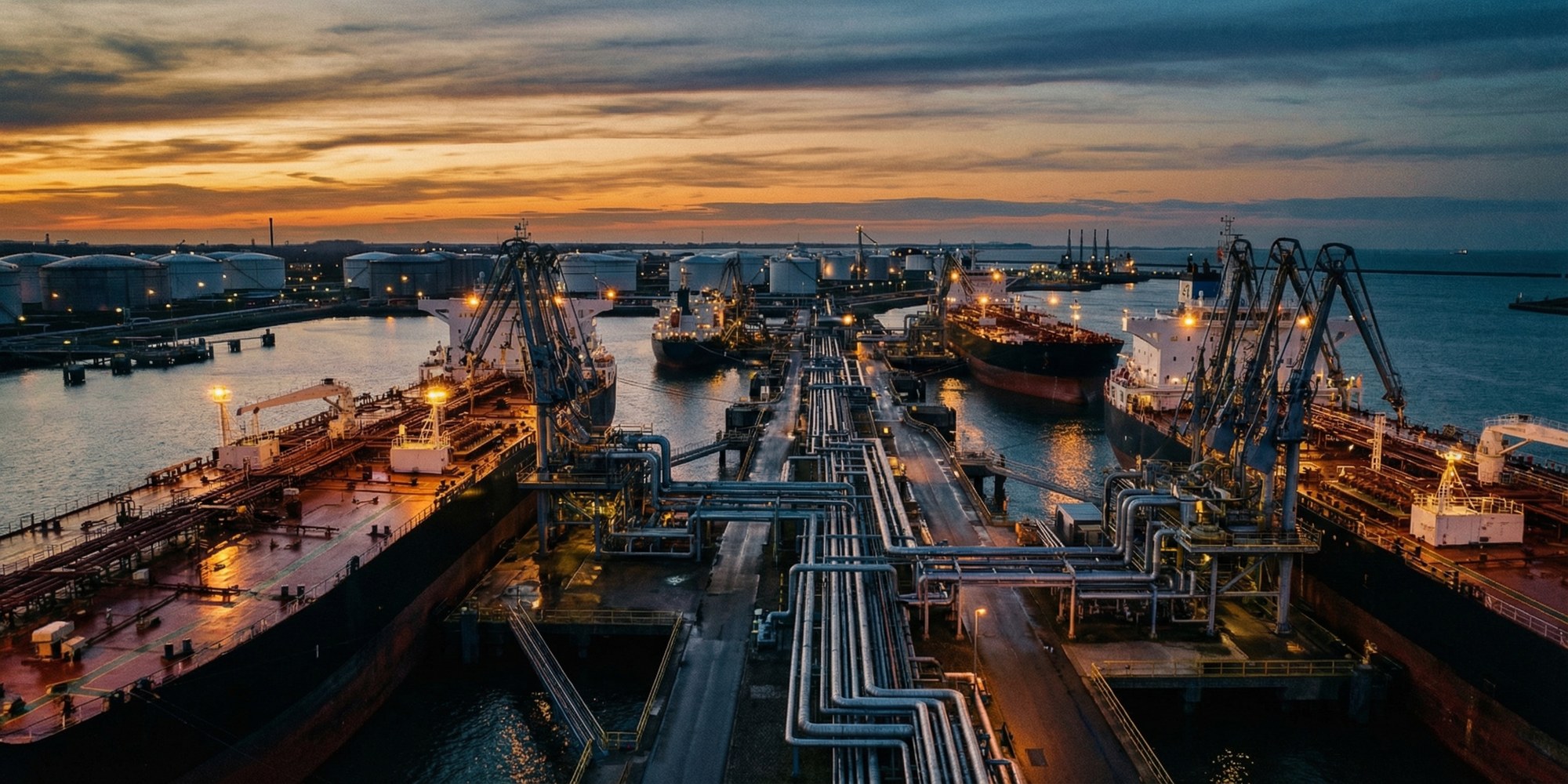
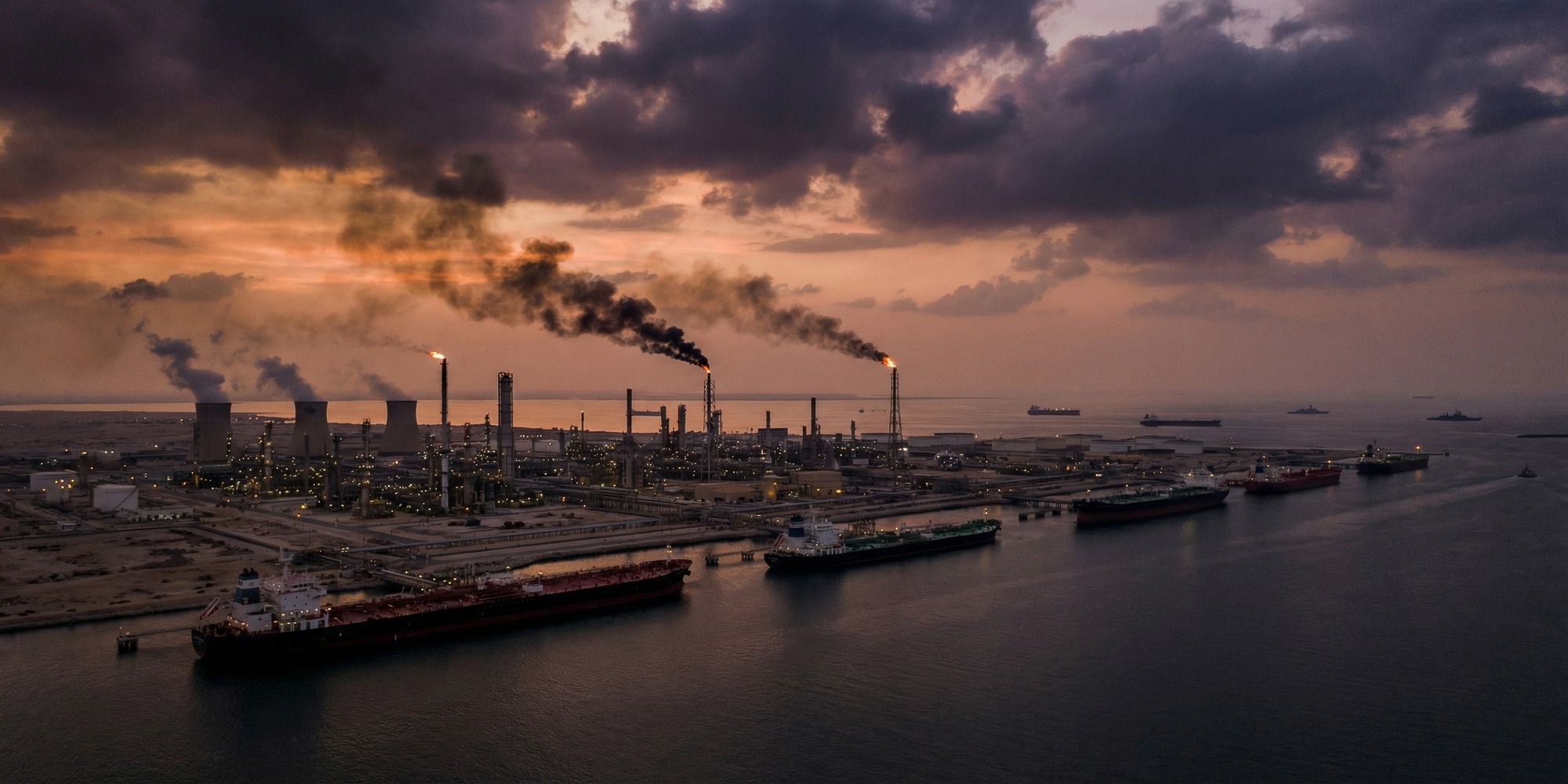
The UAE has borne the heaviest portion of damage among the GCC states, with Iranian missiles and drones striking oil facilities, refineries, and key supply routes. Kuwait and Qatar have followed, with attacks targeting energy infrastructure and areas proximate to U.S. installations. ISW's March 2 assessment described Iran's strategy as seeking to "push the Gulf states to pressure the United States and Israel to end their combined strike campaign" — a coercive logic that has placed GCC governments in the extraordinarily difficult position of being both wartime hosts and civilian targets.
Iranian missiles have reached beyond the immediate Gulf theater. Reports from Reuters on March 5 confirmed Iranian projectiles struck in Cyprus, Azerbaijan, and Turkey — nations with no direct military involvement — as Tehran appeared to cast as wide a net of disruption as possible. The Strait of Hormuz, the narrow passage through which approximately 20% of the world's crude oil supply transits daily, has been significantly disrupted by Iran's efforts to impose costs on the international community for tolerating the strikes. The economic consequences — with energy markets already pricing in a sustained supply shock — have been tracked closely by analysts at Global Market Updates, who have documented how the oil shock is now forcing the Federal Reserve and ECB to reassess their rate trajectories.
The Moscow-Beijing Calculation
In the opening days of the conflict, many analysts anticipated that Russia and China — Iran's two most significant strategic partners — would move to check American power in the Gulf, whether through arms deliveries, direct diplomatic ultimatums, or covert military support. That intervention has not materialized in any decisive form, and the reasons illuminate the constraints facing both powers even as they share an interest in weakening U.S. influence.
"Putin has other priorities, and chief among them is Ukraine. It would be foolish for Russia to go into a direct military confrontation with the United States."
— Anna Borshchevskaya, Senior Fellow, The Washington Institute for Near East Policy, as quoted by Reuters, March 5, 2026
Russia's restraint stems from a dual bind: its military and diplomatic bandwidth remains absorbed by the war in Ukraine, and alienating the Gulf states or Israel would undermine Moscow's painstakingly constructed position as a regional broker. At the same time, ISW's March 6 report noted that Russia has reportedly been sharing satellite intelligence on the locations of U.S. military assets — including warships and aircraft — with Iran, according to three officials familiar with the intelligence cited by the Washington Post. The reported intelligence sharing provides Tehran with targeting information it may not otherwise be able to acquire independently, since major commercial imagery providers have restricted real-time satellite data over the Gulf conflict zone. This represents a form of covert support that stops well short of the direct military intervention that would carry catastrophic escalation risk.
China's posture is shaped by different calculations. Beijing is deeply exposed to Gulf energy flows — approximately 40 percent of China's crude oil imports transit the Strait of Hormuz — and any serious interruption carries direct economic consequences. The Chinese Foreign Ministry on March 2 formally supported the GCC's call for dialogue and diplomacy, while intelligence reports cited by ISW suggested Beijing may be preparing to provide Iran with financial assistance and missile components. China has historically supplied sodium perchlorate — a key solid propellant precursor — to Iran's ballistic missile program. Whether those covert channels continue amid an active war with a U.S. ally remains an open and consequential question.
The Axis Under Pressure
Iran's so-called "Axis of Resistance" — the network of non-state proxies and aligned militias that Tehran has cultivated across the region for decades — has been severely stressed by the pace of the American-Israeli campaign. In Lebanon, the IDF has struck over 70 Hezbollah weapons depots, launch sites, and launcher positions in southern Lebanon since the start of hostilities on February 28, according to IDF statements. While Hezbollah retains significant military capacity, its ability to mount large-scale retaliatory operations has been degraded. In Iraq, U.S. and Israeli airstrikes have targeted Iranian-backed Popular Mobilization Force brigades, killing at least ten fighters in the first week, per ACLED's Middle East special assessment. Iraqi militia commanders have threatened to expand attacks to neighboring countries hosting U.S. troops, including Jordan — a warning that has placed Amman in a difficult diplomatic position.
The Houthis in Yemen remain a variable: ISW analysts have cautioned that the group could target Emirati, Israeli, or U.S. positions in the Horn of Africa if it formally joins Iran's retaliatory campaign, opening a second maritime disruption corridor at the Bab-el-Mandeb Strait. So far they have not crossed that threshold. Meanwhile, US Foreign Policy reported that CENTCOM has secured Hormuz passage after dismantling Iran's Gulf fleet — a significant tactical achievement that prevents a complete blockade even as the threat environment remains elevated.
Regional Implications and Uncertain Endgame
The spread of the conflict across GCC states, Lebanon, and Iraq has shattered assumptions that a targeted strike campaign against Iran could remain geographically contained. President Trump stated on March 6 that the United States would only accept Iranian "unconditional surrender" — a formulation the White House clarified as achieved when Iran can "no longer pose a threat" to U.S. forces in the region. That framing sets a high bar for any negotiated exit. The U.N. declared the conflict a major international crisis on March 6, and the Security Council remains paralyzed by the opposing positions of its permanent members.
For the GCC states, the immediate challenge is a paradox of alliance and vulnerability: they are simultaneously essential partners in a campaign they did not formally join and among its most exposed civilian targets. How long their populations can absorb Iranian punishment — and whether Washington can offer meaningful protection — will shape the political sustainability of the American-Israeli operation in the weeks ahead.
Iran's retaliatory campaign across the Gulf in the war's second week is the same regional widening documented on the Armed Conflicts Map's Iran–US war tracker.